
In the world of landscaping, zeroscaping, also known as xeriscaping or drought-tolerant landscaping, is gaining popularity as an eco-friendly and water-conserving approach. Zeroscaping is not about sacrificing beauty for sustainability; rather, it is a thoughtful and strategic way to create a stunning landscape that requires minimal water and maintenance. In this guide, we’ll delve into the principles and benefits of zeroscaping and provide you with practical tips to transform your outdoor space into a sustainable oasis.
Understanding Zeroscaping: At its core, zeroscaping is a landscaping technique that focuses on utilizing plants, materials, and design strategies that require little to no irrigation. The concept originated in arid regions, but its principles can be applied in various climates. By selecting native and drought-tolerant plants, optimizing water usage, and minimizing the need for mowing and watering, zeroscaping conserves water, reduces maintenance efforts, and creates a visually appealing landscape.
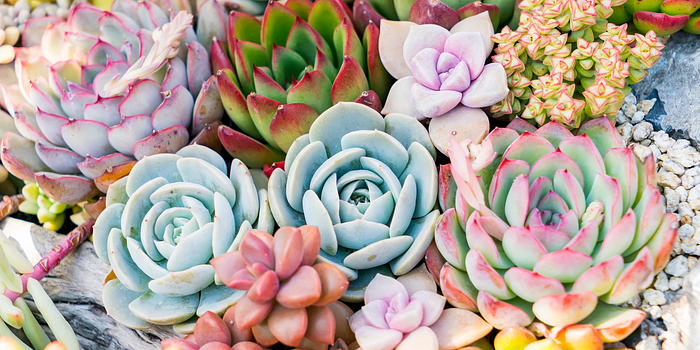
Choosing the Right Plants: Native and drought-tolerant plants are key elements of a successful zeroscape. These plants are adapted to the local climate and require less water and care compared to non-native species. Look for plants that thrive in your region’s specific conditions, such as low-water grasses, succulents, and cacti. Group plants with similar water requirements together, allowing for efficient irrigation and minimizing water waste. Native plants also attract local wildlife, supporting biodiversity and creating a balanced ecosystem.
- Order succulents online: Full Flat 20 Pack from Leaf & Clay
- Order succulents online: Pastel 12 Pack from Leaf & Clay
- Ideal dirt: Cacti, Palm and Citrus Soil from Home Depot

Efficient Irrigation: Effective irrigation is essential for a thriving zeroscape. Drip irrigation systems are a popular choice as they deliver water directly to the plant roots, minimizing evaporation and runoff. Consider incorporating smart irrigation controllers that adjust watering schedules based on weather conditions and plant needs. Mulching around plants helps retain soil moisture and reduce weed growth. Additionally, proper soil preparation, such as improving drainage and water retention, ensures plants receive adequate hydration without wasteful overwatering.
- Getting started: RainBird Drip Irrigation Variety Kit on Amazon
- Smart WiFi timer (hose attach): B-Hyve Smart Hose Faucet Timer on Amazon
- Smart WiFi timer (sprinkler system): Orbit B-Hyve Smart 8-Zone Indoor/Outdoor Sprinkler Timer on Amazon
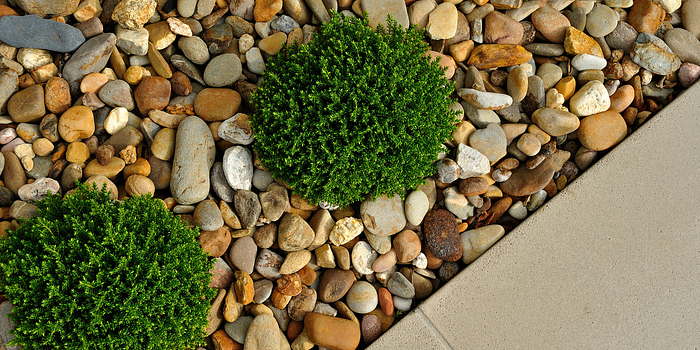
Hardscape Design and Mulching: In zeroscaping, hardscape elements like rocks, gravel, and pathways play a significant role in reducing water usage. Incorporating these elements strategically adds visual interest and minimizes the area that requires watering. Use permeable materials for pathways and patios to allow water to penetrate the soil. Mulching is another important aspect of zeroscaping. Organic mulch, such as wood chips or bark, helps retain soil moisture, regulates soil temperature, and suppresses weed growth.
- Rock and gravel: Landscape Rocks By Size at Home Depot
- Keep mulch tidy: Mulch Glue on Amazon

Efficient Lawn Care: A lush, green lawn may not be a prominent feature in a zeroscape, as lawns typically require significant water and maintenance. However, if you prefer to have a small area of grass, consider selecting drought-tolerant grass species and reducing the lawn’s size. Proper lawn care practices, such as mowing at a higher height to promote deeper root growth and watering deeply but infrequently, can help minimize water usage.
Conserving Water: Zeroscaping extends beyond plant selection and design. It encourages responsible water use throughout your landscape. Incorporate rainwater harvesting systems to collect and store rainwater for later use in irrigation. Implement water-saving practices like installing low-flow or drip irrigation systems, using soaker hoses, and avoiding overwatering. Regularly inspect your irrigation system for leaks or inefficiencies and make necessary adjustments.
- Collection tank: Rainwater Collection Tank on Amazon
- Collection system: Rainwater Collection Downspout Converter on Amazon
Zeroscaping is a sustainable and visually pleasing approach to landscaping that embraces the natural conditions of your region. By selecting drought-tolerant plants, optimizing irrigation, and incorporating thoughtful design elements, you can create a beautiful and environmentally friendly landscape that conserves water and reduces maintenance.
This post contains affiliate links. I may earn from qualified purchases.
 Simple Yards
Leave a comment