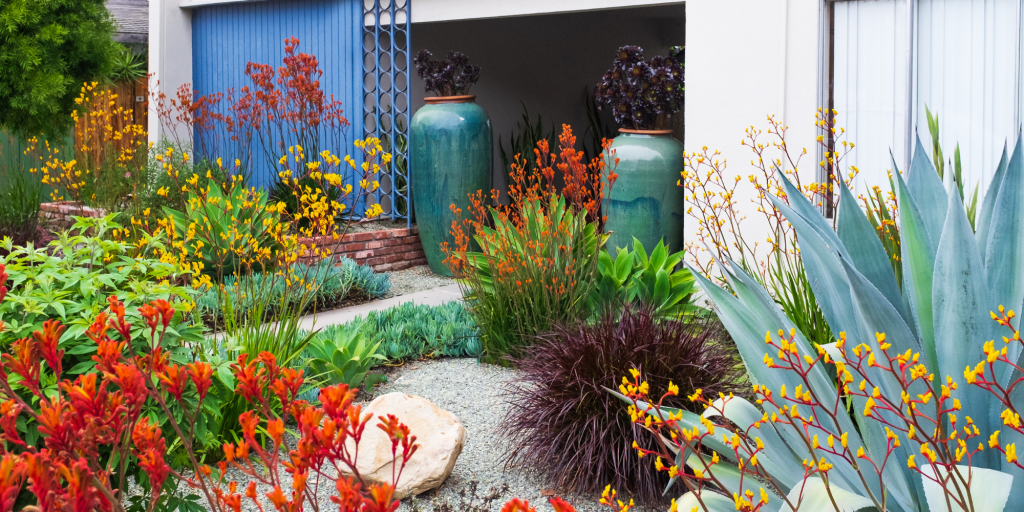
In a world where water scarcity is becoming a growing concern, embracing drought-tolerant plants is practical and essential. These remarkable plants have evolved to survive in arid conditions, making them perfect choices for water-wise gardens. In this post, we will explore a selection of the best drought-tolerant plants that will bring beauty and resilience to your landscape, even during dry spells.
When building a drought-tolerant garden, we love to use tools that help conserve water while helping your plants to flourish:
- B Hyve Smart Sprinkler Controller to schedule watering. It automatically adjusts to weather conditions at your home to avoid over watering.
- Drip Irrigation Starter Kit from Rainbird to water your plants efficiently.
- Soil Moisture Meter to make sure your plants are getting the right amount of water.
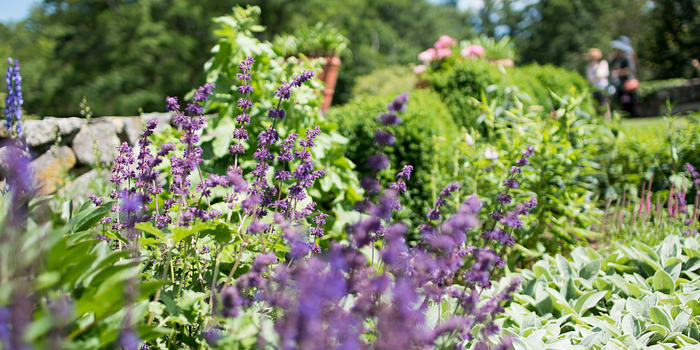
Mediterranean Plants:
The Mediterranean region is known for its hot, dry summers, so it’s no surprise that plants native to this area excel in dry conditions. Consider incorporating plants such as lavender, rosemary, succulents like agave and aloe, and the stunning Mediterranean fan palm. These plants tolerate drought and add a touch of Mediterranean charm to your garden.
- Lavender
- Rosemary
- Succulents
- Olive Tree
- Bougainvillea
- Mediterranean Fan Palm
- Oleander
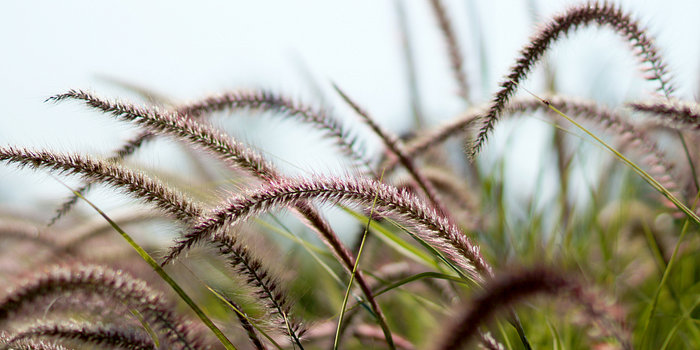
Ornamental Grasses:
Ornamental grasses are visually striking and excellent candidates for water-wise landscapes. Varieties like fountain grass, blue fescue, and maiden grass offer a range of colors, textures, and heights. These grasses have deep root systems that allow them to access water deep in the soil, making them resilient during dry spells.
- Fountain Grass
- Blue Fescue
- Maiden Grass
- Blue Oat Grass
- Leatherleaf Sedge
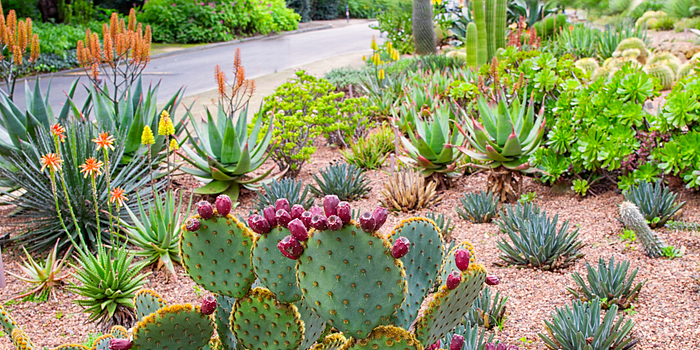
Succulents and Cacti:
Succulents and cacti are known masters of water storage, making them ideal for drought-prone areas. These plants come in a vast array of shapes, sizes, and colors, from the popular jade plant and aloe vera to the iconic prickly pear cactus and the architectural agave. Their ability to store water in their leaves and stems allows them to thrive even in the most arid conditions.
- Jade Plant
- Aloe Vera
- Prickly Pear Cactus
- Echeveria
- String of Pearls
- Christmas Cactus
- Tree Houseleek
Tip: Try a Succulent Variety Mix.

Native Wildflowers:
Native wildflowers are well-adapted to the local climate and often thrive in dry conditions. Research native species specific to your region that can endure periods of drought. Examples include black-eyed Susan, California poppy, yarrow, and milkweed. These plants not only conserve water but also provide essential habitat and food for local wildlife and pollinators.
- Milkweed
- California Poppy
- Yarrow
- Black-eyed Susan
- Salvia
- Coneflower
Tip: Get a wildflower seed mix to sprinkle in your garden!
Drought-Tolerant Shrubs:
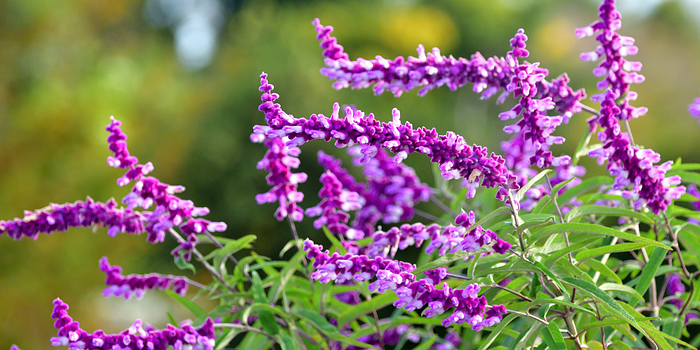
Shrubs that tolerate drought can add structure, color, and year-round interest to your garden. Consider planting varieties like Russian sage, butterfly bush, rock rose, and Texas sage. These shrubs have adapted to survive with minimal water, and many also offer beautiful flowers and fragrances.
- Russian Sage
- Butterfly Bush
- Rock Rose
- Texas Sage
- Mexican Sage
- Lantana
Creating a stunning garden doesn’t have to come at the expense of water resources. You can conserve water without sacrificing beauty and variety by incorporating drought-tolerant plants into your landscape. From Mediterranean plants to ornamental grasses, succulents to native wildflowers, and drought-tolerant shrubs, an impressive array of options are available.
Embrace the resilience of these remarkable plants, and unleash the beauty of a water-wise garden. Not only will you save on water usage, but you will also provide habitat for wildlife and contribute to a more sustainable environment. Let’s join hands in conserving water and creating landscapes that thrive against the odds.
Continue learning about water conserving gardening styles in this article about zeroscaping.
This post contains affiliate links. I may earn from qualified purchases.


 Simple Yards
Leave a comment