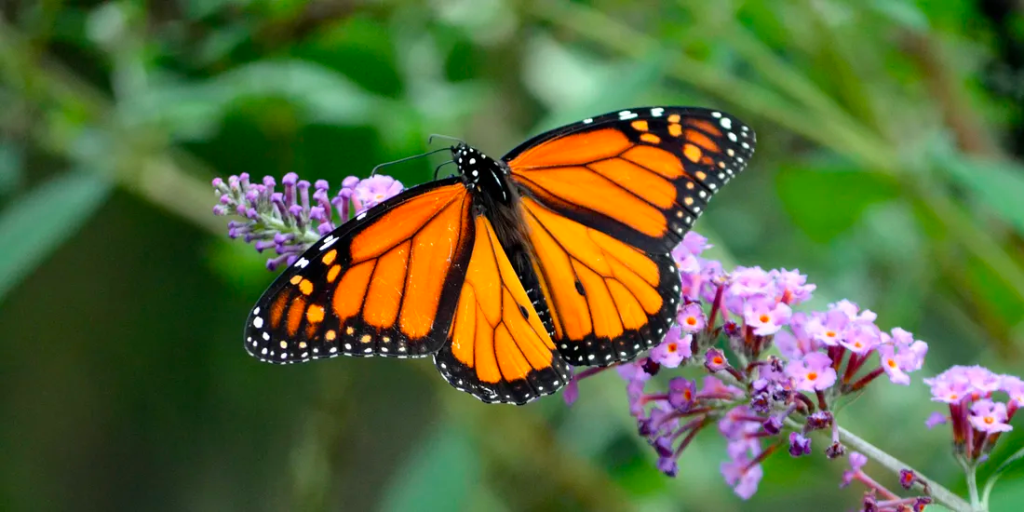
Welcome to the wonderful world of pollinators! Did you know that around 75% of the world’s flowering plants and 35% of the world’s food crops depend on pollinators? Planting a pollinator-friendly garden can be crucial in supporting these essential creatures. This post will guide you through the steps to create a vibrant and thriving pollinator garden that will attract bees, butterflies, hummingbirds, and other pollinators to your backyard.
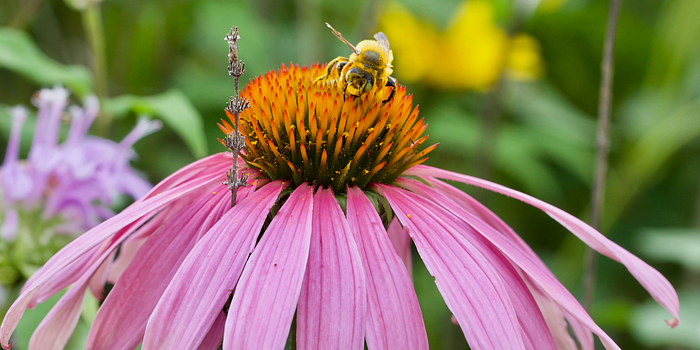
Choose Native Plants:
Start by selecting native flowering plants, as they often have the best nectar and pollen sources for local pollinators. Research local plant species that are native to your region. Native plants have adapted to the local climate, soil conditions, and pollinators, making them an ideal choice. Aim for a diverse mix of plants, including flowers of various shapes, sizes, and colors, to cater to different pollinator species.
You can also purchase pollinator-friendly seed kits from companies like SeedsNow (Save the Bees Seed Variety Pack) or on Amazon (Save the Bees Wildflower Seed Kit or Save the Monarchs Seed Pack) if you want to take the guesswork out of researching plants. These may not all be native to your area, but they could be an affordable, easy way to start your garden.
Provide a Continuous Bloom:
Aim for a garden that offers blooming flowers from early spring to late fall to support pollinators throughout the seasons. This will ensure there is a consistent food source available for pollinators. Include a variety of plants that bloom at different times of the year, such as early-blooming bulbs, summer perennials, and fall-flowering plants.
Plant in Clusters:
Pollinators are more likely to visit areas with a dense concentration of flowers. Grouping the same plant species in clusters allows pollinators to efficiently forage for nectar and pollen. Consider creating planting beds or dedicated areas in your garden for specific plant species. This also adds aesthetic appeal, providing a colorful and vibrant display of blooms.
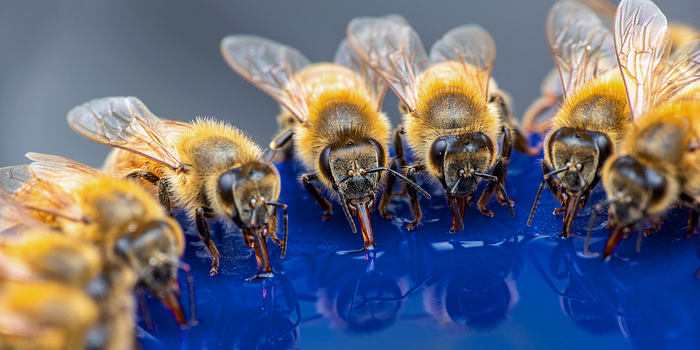
Provide Water Sources:
In addition to food sources, pollinators also need access to fresh water. A shallow bird bath, a small pond, or even a water-filled dish with pebbles can serve as a water source for pollinators. Make sure to provide a safe landing spot or a small rock for pollinators to perch on while drinking.
We found these adorable ceramic bee water cups on Uncommon Goods in a set of 5, and Amazon also sells a variety of options. If you would like to DIY a bee watering station, take a look at this YouTube video for directions.
Minimize Pesticide Use:
To create a truly pollinator-friendly garden, it is essential to minimize or eliminate the use of pesticides. Chemical pesticides can harm or even kill pollinators. Instead, embrace organic gardening techniques, such as companion planting, natural pest control methods, and creating a healthy garden ecosystem that balances pests and beneficial insects.
Planting a pollinator-friendly garden is an amazing way to support our ecosystem and teach your kids about the importance of bees! By following these simple steps, you can create a haven for pollinators in your own backyard. Your garden will flourish with vibrant blooms and provide a much-needed sanctuary for bees, butterflies, and other pollinators. So, let’s roll up our sleeves, dig in the soil, and create a buzz of life and beauty that benefits us all — humans, plants, and pollinators alike.
Happy gardening! 🌼🦋🐝
This post may contain affiliate links.
 Simple Yards
Leave a comment